
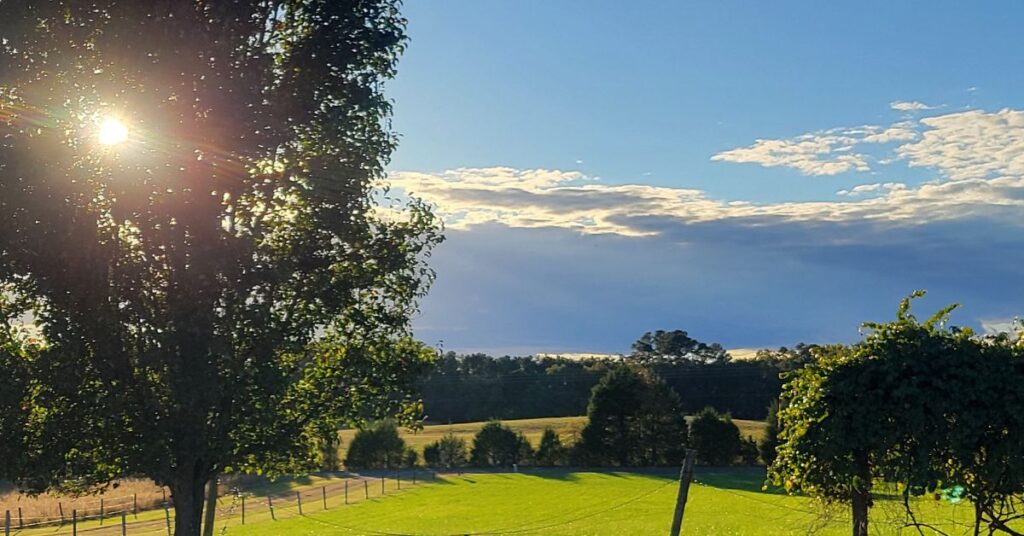
How Hope Farms Began — A Family Story Rooted in Faith, Tradition, and Hard Work
Hope Farms Mercantile wasn’t built overnight. It wasn’t the result of sudden inspiration or a trending lifestyle choice. It came from decades of quiet dreaming, long days of hard work, and a deep respect for the generations that came before us.
Our farm in Richfield, North Carolina is the product of a family story that started long before we bought this land in 2020. It began in the late 1980s, continued through years of raising children, showing horses, working different jobs, and holding onto the belief that one day we’d be able to build the farm we always imagined.
What we have today isn’t fancy or exaggerated. It’s simple, meaningful, and ours. And that’s exactly how we like it.
A Blind Date, Two Families, and the Start of Something Real
When Life Takes You Exactly Where You’re Meant to Go
The foundation of Hope Farms started long before the first fence post went into the ground. It began in 1989, when Angela and James met on an arranged blind date — the kind friends suggest with a wink and a warning that “you’re going to love this person.” They hit it off, and by 1990, they were married and building a life shaped by faith, family values, and a deep appreciation for simple living.
Their daughters were born in 1992 and 1994, and from the beginning, animals were part of everyday life. The girls grew up with goats, guinea pigs, dogs, barn cats, and even rabbits they raised for 4-H. They spent years showing and training horses, handling everything from wide-eyed foals to well-trained show horses. While most kids were in classrooms all day, the girls were out in the barn at sunrise, learning responsibility through hands-on work and homeschooling.
Those early years would eventually become the heartbeat of Hope Farms.
A Long Line of Traditions, Skills, and Strong Roots
Hope Farms didn’t appear out of thin air — it grew from family heritage. Angela’s childhood was full of gardens, canning jars, sewing needles, home-cooked meals, and the lessons taught by her great-grandparents Mary-Bell and Carl Barr, and her grandparents Shirley and Lewis. They passed down the skills that generations before them had relied on — gardening, preserving food, sewing, crafting, and doing things with intention.
James came with a different but equally valuable background. He worked on dairy farms and tomato farms in his youth, gaining experience that shaped his work ethic and understanding of livestock. Today, he serves as a pastor, carrying on his commitment to faith and stewardship.
Those combined backgrounds created the blueprint for the life they wanted: a place where they could raise animals, grow food, teach their children, and put their faith into everyday action.
H2: Why 2020 Was the Turning Point
H3: Making the Dream a Reality
For years, the idea of owning a farm stayed mostly in conversations, prayers, and quiet planning. Life moved forward — children grew up, responsibilities shifted, and dreams were tucked away for later. Then, in 2020, everything changed.
The opportunity to purchase the land that would become Hope Farms finally arrived. It wasn’t perfect land. It wasn’t polished. But it was full of potential, and it felt right. So they said yes — and turned a long-held dream into a living, breathing farm.
Hope Farms became more than a property; it became a way of continuing the past while building the future.
The Vision Behind Hope Farms
A Place Where Tradition Meets Purpose
From day one, the goal wasn’t to build a massive operation.
Hope Farms was meant to be:
- a working farm
- a sanctuary
- a place to raise animals with respect
- a place to grow food honestly
- a home for handmade goods
- a way to share old-fashioned skills
- a family legacy
The name itself carries meaning.
HOPE stands for:
Hold
Onto
Positive
Expectations
It reflects how the Millers have always lived — with faith at the center and with optimism that good things grow when you put your heart into them.
Building the Farm — One Fence, One Animal, One Season at a Time
Hope Farms didn’t start with everything in place. It grew slowly and intentionally.
First Came the Animals
Each one was chosen with care — for temperament, purpose, and how well they fit the land and the family’s rhythm.
- Highland cattle, chosen for their calm nature and superior grass-fed beef
- Fainting goats, easygoing and full of personality
- Chickens, laying brown, blue, and white eggs
- Our senior paint mare, Fancy, who has been part of the family’s story for years
- Pigs, ducks, cats, and dogs, rounding out farm life
Every animal added something different — milk, eggs, meat, companionship, or simply joy.
Then Came the Garden and Kitchen
Generations of gardening and canning turned into farm-fresh produce, canned goods, and homemade breads.
- yeast rolls
- sourdough
- sweet treats
- canned vegetables
- jams and jellies
- seasonal baking
- pickles
- apple butter
Food wasn’t just food — it was a craft, a legacy, and something to be shared with others.
And Finally, the Mercantile
Handmade crafts, sewing projects, nursery sets, crocheted photo props — all created with intention and meaning.
The mercantile became a blend of:
- homegrown goods
- handmade items
- custom orders
- farmstand offerings
Everything the family makes carries a piece of their story.
Hope Farms Today — A Place Full of Life and Purpose
Now, Hope Farms is a growing, evolving part of the Richfield community. It continues to expand while staying grounded in:
- faith
- gratitude
- heritage
- good stewardship
- Kindness
- honest work
The farm offers:
- handmade goods
- eggs
- bread
- fainting goats
- Highland beef (limited availability)
- photography spots and seasonal mini sessions
- farm-fresh products
- a welcoming place for families
It’s a reflection of the Millers’ values and the life they’ve built together.
What We Hope People Feel When They Visit
We want Hope Farms to feel like:
- stepping onto your grandparents’ land
- slowing down enough to breathe
- remembering the value of simple things
- being welcomed like family
- reconnecting with food and handmade goods
- seeing animals cared for the right way
You don’t have to be a farmer to appreciate farm life — you just have to love honesty, simplicity, and good old-fashioned work.
The Legacy We Hope to Leave
Hope Farms isn’t just for us.
It’s for:
- our children
- future grandchildren
- our community
- anyone who values small farms
- anyone who believes in doing things the right way
We hope our farm stands as a reminder that:
- traditions matter
- good work matters
- land deserves care
- animals deserve respect
- faith guides everything
- family is the foundation of it all
Final Thoughts — Why This Farm Means So Much
Hope Farms is the result of decades of love, prayer, and determination. It holds our family history, our values, and our hopes for the future. It’s where we put our hands to work every day and trust that the seeds we plant—both in the ground and in life—will grow into something meaningful.This farm is our story.
And we’re grateful to share a piece of it with you.